The pros and cons of investing in land, and whether it beats a house
Land is the simplest way to own real estate: nothing to rent out, nothing to repair, nothing that wears out. It is also the least liquid. Here are the pros and cons of investing in land, plainly, so you can decide if it fits.
 By Francisco Cortés Santolalla 6 min read
Is investing in land a good idea?
It depends on what you need it for. Land works for holding value in a simple asset in your own name, over years. It does not work if you need monthly income, quick access to cash or a guaranteed gain.
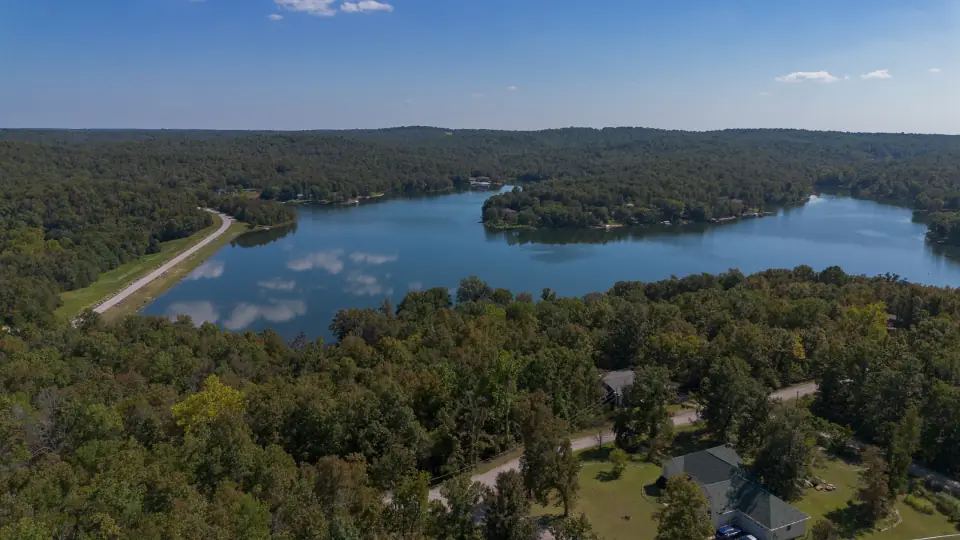
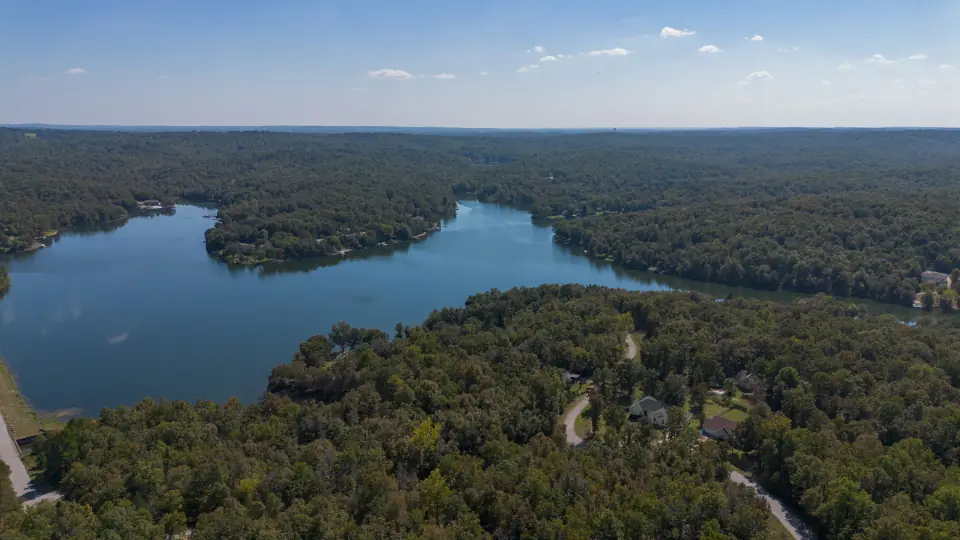
The pros and cons of investing in land make more sense side by side, because almost every advantage has a cost. We go through them with a real case: the lots in Cherokee Village, about 1,000 m² each, at USD 15,000. For a full guide to the purchase, see how to buy land in the USA.
What are the advantages of investing in land?
Land has four main advantages: it is cheap to get into, cheap to hold, it does not wear out and it is recorded in your name. In the US, the price is also set in dollars.
Entry cost is the most visible difference. According to the National Association of Realtors, the typical foreign buyer of a US home paid USD 465,000 between April 2025 and March 2026. A lot costs a fraction of that, and you can pay USD 3,000 down and 24 payments of USD 500.
Upkeep is minimal too. In Arkansas, property tax is assessed on 20% of market value, which for a lot like these comes to about USD 20 a year, paid by the seller until transfer. There is no roof to fix and no tenant to manage from abroad.
And the property is yours on record: the deed is recorded in Fulton County, as described in what's included in the purchase.
What are the disadvantages of investing in land?
Vacant land earns no income, sells slowly, can rise or fall in value and has costs even if you never use it. Buying from abroad, you also take on distance and currency swings.
Liquidity is the biggest drawback. The Cooperative Extension personal finance course puts it bluntly: real estate is not a liquid investment, and finding the right buyer at the right price can take a long time. The table pairs each drawback with what you can do about it.
| Drawback | What it means | What you can do |
|---|---|---|
| No income | While vacant, it pays you nothing | Buy with money you do not need to live on |
| Slow to sell | Finding a buyer can take months | Think in years, not months |
| Value not guaranteed | It can go up or down | Never buy on a promise of appreciation |
| Yearly costs | Property tax and community charges | Know them first: see what's included |
| Distance and currency | You manage it from abroad, in dollars | Choose a seller who handles the paperwork for you |
How much does land appreciate?
No one can tell you in advance, and be wary of anyone who promises a number. Land value depends on location, demand and the economy. Official data shows past trends, not what will happen to a specific lot.
For context, the annual USDA land values report puts Arkansas farm real estate at USD 4,350 per acre in 2026, up 2.4% from 2025. That is cropland and pasture, not residential lots, so treat it as background, not a forecast.
That is why we never promise appreciation. What you can check is what you buy today: location, size and status of every lot on the map of the lots.
Is it better to buy a house or land?
A house can earn rent, but it costs far more, wears out and needs managing. Land costs less and takes almost no work, but earns nothing. If you buy from abroad with a limited budget, land is simpler to own at a distance.
The table compares both options on what matters most to a buyer abroad.
| Land | House | |
|---|---|---|
| Entry cost | USD 15,000 in Cherokee Village | USD 465,000 for the typical foreign purchase |
| Income | No | Yes, if rented |
| Upkeep | Minimal | Repairs, insurance and management |
| Wears out with use | No | Yes |
| Managing from abroad | Simple | You need someone on site |
| Liquidity | Low | Low |
House price: median foreign-buyer purchase according to NAR.
If you want to build later, you can: in Cherokee Village a home must be at least 120 m², prefabricated homes are allowed and mobile homes are not. Meanwhile the lot can stay unbuilt for as long as you like. More in the FAQ.
How much money do you need to invest in US real estate?
For a home, a lot: the typical foreign purchase is around USD 465,000, and almost half pay cash. For a small residential lot, far less: in Cherokee Village, USD 15,000, or USD 3,000 down and 24 payments of USD 500.
The cash figure is also from NAR: 48% of foreign buyers paid without a loan. Getting a US mortgage is hard if you live abroad, which is why our payment plans are direct with the seller, with no banks.
Before you buy any land: what to check
Whether you buy from us or anyone else, confirm five things before you pay. First, that the lot exists and is recorded in the county: each of our lots has its parcel number, and you can see one in detail on the page for lot 315-18053-000.
Second, access and utilities: our lots have water, power and a road at the street. Third, the community's building rules. Fourth, yearly costs. Fifth, who is selling and how the process works, summarized in how to buy.
If you are from Chile, Argentina or Brazil, there are no special restrictions on you. The Arkansas law on foreign ownership covers citizens of a list of countries that does not include ours, and only farmland outside city limits. Cherokee Village is an incorporated city. We explain it in detail in what changed in October 2026.
How to exit the investment
While you are paying instalments, the promise of sale can be assigned to someone else. Once you hold the deed, you can sell the lot like any US owner.
When a foreign owner sells, the buyer generally withholds 15% of the price toward taxes (FIRPTA). That amount is credited against the actual tax when you file, and filing requires a tax number: see when you need an ITIN. If you are thinking about your family, also read what happens to the lot in an inheritance.
Who a lot in northern Arkansas is right for
Someone who wants a dollar asset outside their country, in their own name, and will not need that money for years. And someone who may build one day in a community with lakes and golf. Not someone looking for income, liquidity or a quick gain.
It is not a route to residency either: buying land does not give you a visa, as we explain in does property give you residency?. If it still makes sense after reading this, see the available lots or book a video call and we will walk you through the documents.
Frequently asked questions
Does land depreciate?
Not from use, since there is no building to wear out. Its market price can still go up or down.
Can I rent out vacant land?
In practice, a vacant residential lot earns almost nothing. If you want income, land is not the right tool.
How much does it cost to hold a lot in Arkansas?
About USD 20 a year in property tax, paid by the seller until transfer. Community charges are to be confirmed.
What if I want to sell before I finish paying?
The promise of sale can be assigned to someone else. Once you hold the deed, you sell like any owner.
Is land or a house the better buy?
A house can earn rent but costs much more and needs managing. Land is simpler from abroad, but earns no income.
Updated October 21, 2026